Feng Shui, Explained Without the Mysticism
By Home Moon
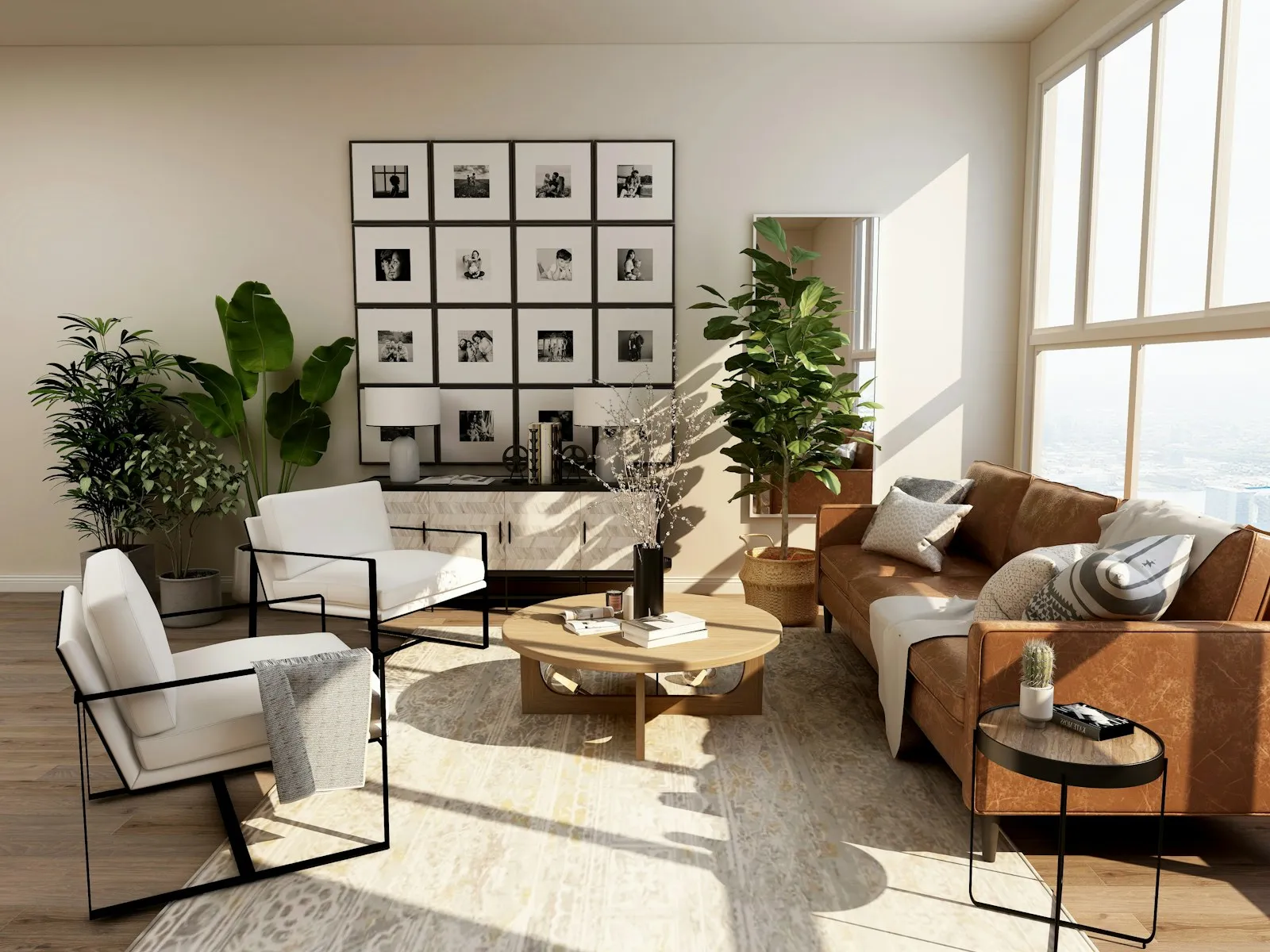
Photo: Unsplash
Feng shui gets a bit of an unfair reputation in a lot of Western homes, treated like a set of mysterious rules about lucky numbers and hidden forces. Strip away the misunderstanding, though, and what is left is a genuinely thoughtful design tradition, one that has been shaping homes for centuries and still has plenty to offer anyone arranging a room today.
What feng shui actually is
At its core, feng shui is a traditional Chinese practice concerned with how a space is arranged in relation to the people living in it and the energy, often called chi, believed to move through it. The words themselves translate roughly to “wind and water,” a nod to the natural forces the practice originally drew from. It developed over a long history and carries real cultural and spiritual depth for many who practice it seriously, which is worth respecting even if you are only borrowing a few practical ideas for your own home.
The command position idea
One of the most useful and most borrowed concepts from feng shui is the command position. The idea is simple: place your bed, desk, or main seating so you can see the door from where you sit or lie, without being directly in line with it. Practically speaking, this means you are not startled by movement behind you, and you have a clear view of who is entering the room. Even people with zero interest in the spiritual side of feng shui tend to agree that this arrangement just feels calmer.
Flow and clutter
Feng shui puts a lot of weight on how easily you can move through a space, and on what clutter does to that movement. A hallway stacked with boxes, a doorway blocked by furniture, a room so full that you have to turn sideways to get through it: all of these are seen as places where energy gets stuck, and honestly, most of us can feel that stuckness even without believing in the underlying theory. A clear path through a room tends to make the whole space feel lighter.
Light and fresh air
Natural light and airflow show up again and again in feng shui guidance, and this is one of the easiest places to see the overlap between tradition and plain good sense. Rooms that get real daylight and a chance to air out tend to feel more alive, and dark, stuffy corners tend to feel heavier, whatever framework you use to describe why. Opening curtains, cracking a window, and keeping light sources unblocked are small habits that carry weight in feng shui and in ordinary common sense alike.
Taking what is genuinely useful
You do not have to adopt every principle of feng shui to bring some of its wisdom into your home, and it is worth approaching the parts you do borrow with genuine respect for where they come from rather than treating them as a passing trend. A few starting points many people find worth trying:
- Angle your desk or bed so you can see the door without sitting directly in its path.
- Clear the walkway from your front door inward, since it sets the tone for the whole home.
- Fix anything broken or squeaky sooner rather than later, a habit feng shui and common sense both support.
- Let in as much natural light as your space allows.
Frequently asked questions
Do I need to believe in chi for feng shui tips to help my home?
Not necessarily. Many of the practical ideas, like clearing clutter and improving natural light, tend to make a room feel better on their own, even for people who are simply borrowing the design logic rather than the full spiritual tradition.
What is the single easiest feng shui idea to try first?
The command position is a popular starting point: simply adjusting your bed or desk so you can comfortably see the door from where you sit is a small change that a lot of people notice right away.
From Honeymoon to Home Moon: little curiosities that help you fall in love with your home every day.